
Landscaping is entering a new era where outdoor spaces don’t just look good — they actively communicate their condition. The concept of self-auditing landscapes is gaining traction, driven by artificial intelligence, smart sensors, and automation. Instead of waiting for visible problems like plant decline or irrigation failure, landscapes will soon be able to generate their own health reports, send alerts, and guide maintenance decisions in real time.
For property managers, this shift represents a major change in expectations. Landscapes are moving from reactive maintenance to data-driven asset management.

1. What Are Self-Auditing Landscapes?
A self-auditing landscape is a property equipped with sensors, monitoring tools, and AI software that continuously tracks environmental and plant health conditions. These systems collect data on factors such as:
-
Soil moisture and compaction
-
Nutrient levels
-
Irrigation performance
-
Drainage and runoff patterns
-
Plant stress indicators
-
Weather exposure and microclimates
The information is analyzed automatically, producing insights that would normally require a professional site visit.
Instead of a landscaper discovering problems during a scheduled visit, the landscape itself flags concerns early — sometimes before visible symptoms appear.
2. AI-Generated Landscape Health Reports
One of the most exciting developments is the emergence of AI-generated property health reports. These reports function similarly to a building inspection or vehicle diagnostic scan.
They may include:
-
Turf health scores
-
Irrigation efficiency ratings
-
Soil condition summaries
-
Tree vitality indicators
-
Risk assessments for disease or pest outbreaks
-
Maintenance priority lists
AI platforms combine sensor data with historical trends, weather forecasts, and plant biology models. The result is a clear overview of landscape performance that property managers can understand quickly.
Instead of guessing what the property needs, decisions become measurable and defensible — especially important for budgets, strata boards, and commercial clients.
3. Automatic Alerts Before Problems Escalate
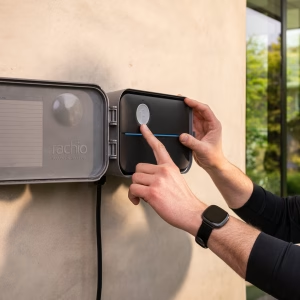
Traditional landscaping often operates on scheduled maintenance cycles. The problem is that environmental conditions don’t follow calendars.
Self-auditing systems solve this by sending automatic alerts when thresholds are crossed.
Examples include:
-
Soil compaction rises after heavy traffic or construction
-
Drainage failure detected after storms
-
Irrigation leaks are causing abnormal water use
-
Plant stress signals indicating early decline
-
Runoff risk increases before erosion begins
Early alerts allow crews to intervene before damage spreads. This prevents costly replacements and reduces long-term maintenance expenses.
For property managers, this means fewer surprises — and fewer emergency calls.

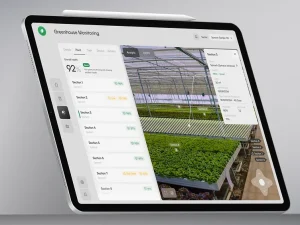
4. Landscape Dashboards: The Future Control Center
The concept of a landscape dashboard is becoming central to self-auditing systems.
A dashboard acts as a digital control panel where users can see:
-
Property maps with live data overlays
-
Irrigation zones and performance metrics
-
Maintenance history and upcoming tasks
-
Plant health indicators
-
Water consumption trends
-
Risk warnings or alerts
Think of it like a fitness tracker for an entire property.
Instead of relying on reports from multiple vendors, managers can view everything in one place. This transparency improves communication between contractors, owners, and decision-makers.

5. What Property Managers Will Expect in the Future
As technology adoption grows, expectations will shift quickly.
Property managers will likely begin to expect:
-
Predictive maintenance instead of reactive repairs
-
Clear performance metrics tied to budgets
-
Water efficiency reporting for sustainability goals
-
Documentation of landscape health trends
-
Proof of service quality from contractors
Landscaping companies that provide data insights — not just labour — will stand out.
The industry is moving toward a model where landscapes are treated as infrastructure assets, similar to HVAC systems or building components.

6. Benefits of Self-Auditing Landscapes
The advantages extend across multiple areas.
Financial Benefits
-
Lower replacement costs
-
Reduced emergency repairs
-
More efficient labor allocation
Environmental Benefits
-
Optimized water use
-
Improved soil health
-
Reduced chemical inputs
Operational Benefits
-
Faster decision-making
-
Clear maintenance priorities
-
Improved accountability
Ultimately, data reduces uncertainty, which is valuable for both contractors and property owners.

7. Challenges and Considerations
While promising, self-auditing landscapes are not without challenges.
Key considerations include:
-
Upfront technology costs
-
Integration with existing irrigation systems
-
Data accuracy and calibration
-
Training staff to interpret insights
-
Privacy and cybersecurity concerns
Adoption will likely begin with large commercial properties and institutional clients before becoming more common in residential settings.

8. The Role of Landscaping Professionals
Technology will not replace landscapers — it will enhance them.
Professionals will shift toward roles that include:
-
Data interpretation
-
Strategic planning
-
Preventative maintenance
-
System optimization
-
Client education
Human expertise remains essential for diagnosing complex issues and implementing solutions.
The difference is that decisions will be supported by real data rather than assumptions.

9. Looking Ahead: Smarter Landscapes Are Inevitable
The rise of self-auditing landscapes reflects broader trends in smart cities, automation, and sustainability. As sensors become more affordable and AI more powerful, self-monitoring landscapes will become the norm.
Future developments may include:
-
Drone-based plant health scanning
-
Automated irrigation adjustments based on AI forecasts
-
Carbon sequestration tracking
-
Biodiversity monitoring
-
Predictive tree failure detection
Landscapes will evolve from passive features into active systems that contribute to environmental performance and property value.
Conclusion
Self-auditing landscapes represent a major shift in how outdoor spaces are managed. With AI-generated health reports, automatic alerts, and digital dashboards, properties can move from reactive maintenance to predictive care. For property managers, this means better control, fewer surprises, and stronger long-term performance. As expectations rise, landscapes that report on themselves will likely become the new standard — transforming landscaping into a smarter, data-driven industry.