
Short answer:
Yes. Artificial intelligence can help landscape designers model how a property will change over time—predicting how plants grow, how shade patterns shift, and how materials weather. For homeowners and property managers in Greater Victoria and Vancouver Island (Zone 9b), AI-supported design allows landscapes to be planned for 1, 5, 10, and even 20 years in the future, reducing costly redesigns and improving long-term performance.
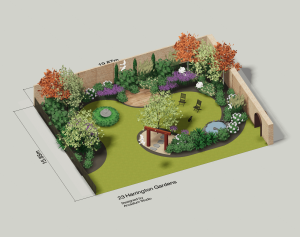
1. What Is Time-Based Landscape Design?
What it is
Time-based landscape design focuses on how a landscape evolves over decades, not just how it looks the day it is installed. Instead of planting for instant fullness, designers plan for plant maturity, growth habits, and long-term structure.
Why it matters in Victoria
Vancouver Island’s mild climate and long growing season mean plants grow quickly. Many landscapes in Victoria become overcrowded within 3–5 years if spacing and mature size aren’t considered.
Local factors influencing growth include:
-
Coastal moisture
-
Clay-heavy soils
-
Mild winters
-
Fast evergreen growth
IslandEarth example
IslandEarth often spaces plants based on their mature width, not nursery pot size. A hedge planted at the correct spacing may look lighter in year one but becomes perfectly filled in by year three without removal or thinning.
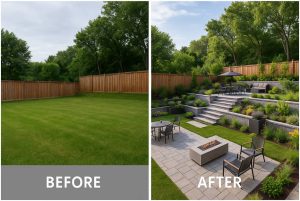
2.How Technology Models Future Garden Growth
What it is
AI landscape software can simulate future plant growth and site changes, generating visual models for different time horizons such as:
-
1 year: establishment phase
-
5 years: plants approaching maturity
-
10 years: canopy expansion
-
20 years: long-term structural landscape
Why it matters in Victoria
Trees like Japanese maples, Garry oak, and cedar hedges expand dramatically over time. AI models help prevent:
-
Tree crowding
-
Overgrown pathways
-
Shade blocking gardens
IslandEarth example
For larger properties, IslandEarth sometimes models tree canopy spread and shade patterns so patios, lawns, and gardens continue receiving sunlight years after installation.
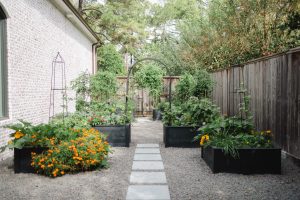
3. Designing for Maturity Instead of Instant Impact
What it is
Traditional landscaping often prioritizes instant visual fullness, meaning plants are placed too close together.
Time-based design prioritizes long-term balance and spacing.
Why it matters locally
In Victoria’s climate, dense planting can lead to:
-
Higher disease pressure
-
Poor airflow
-
Expensive plant removal later
IslandEarth example
Instead of installing 20 small shrubs tightly packed, IslandEarth may plant 12 properly spaced shrubs that will mature naturally and maintain their form for decades.

4. Predicting Shade Patterns and Sun Exposure
What it is
AI tools can calculate how sunlight and shade change as trees grow.
Why it matters in coastal BC
Sun exposure is critical for:
-
Vegetable gardens
-
Pollinator plants
-
Lawn health
A tree planted today may create significant shade in 10 years.
IslandEarth example
When designing patios or seating areas, IslandEarth may consider future shade coverage so outdoor spaces remain comfortable as trees mature.

5. Reducing Costly Landscape Redesigns
What it is
Many landscapes require major redesigns after 5–10 years because plants outgrow the space.
Why it matters
Removing mature plants can be expensive.
Costs may include:
-
Tree removal
-
Regrading
-
Replanting
-
Irrigation changes
IslandEarth example
By planning for mature plant sizes and root spread, IslandEarth avoids common problems such as:
-
Cedars planted too close to fences
-
Trees lifting walkways
-
Shrubs blocking windows
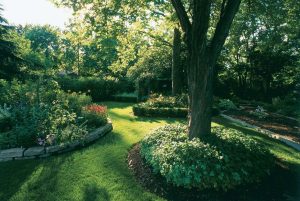
6. Improving Long-Term Maintenance
What it is
AI-informed landscape planning also considers future maintenance needs.
Why it matters in Victoria
Strata properties and commercial landscapes must manage:
-
Pruning costs
-
Irrigation adjustments
-
Seasonal maintenance
A well-planned landscape can reduce maintenance by 30–40% over time.
IslandEarth example
IslandEarth often designs landscapes using plants suited to Vancouver Island’s climate, reducing irrigation needs and long-term upkeep.
7. Selecting Plants That Age Gracefully
What it is
AI plant databases can analyze growth habits, disease resistance, and longevity.
Why it matters in coastal BC
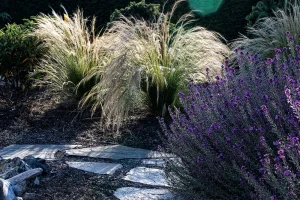
Certain plants perform especially well in Victoria, including:
-
Garry oak
-
Arbutus
-
Lavender
-
Ornamental grasses
-
Native perennials
IslandEarth example
IslandEarth frequently integrates native and climate-adapted plants that maintain structure and beauty as they mature.
8. Planning Irrigation and Soil Health for the Future
What it is
AI design tools can simulate water demand as plants grow.
Why it matters locally
The Capital Regional District (CRD) enforces seasonal watering restrictions. Designing irrigation systems that adapt to mature landscapes helps properties stay compliant.
IslandEarth example
IslandEarth installs irrigation zones based on future plant water needs, not just the first year after installation.

9. Designing Landscapes That Improve With Age
What it is
A well-designed landscape should become more beautiful over time, not less.
Instead of looking best on installation day, it should reach its peak years later.
Why it matters
Landscapes designed for maturity create:
-
Stronger tree structure
-
Balanced planting beds
-
Better biodiversity
IslandEarth example
Many IslandEarth landscapes look even better five years later, once plants fill in and natural layering develops.
Long-Term Landscape Planning Checklist
| Planning Step | Why It Matters | Future Benefit |
|---|---|---|
| Space plants for mature size | Prevent overcrowding | Lower removal costs |
| Model tree canopy growth | Protect sunlight areas | Healthy lawns and gardens |
| Choose climate-adapted plants | Reduce irrigation | Lower maintenance |
| Plan irrigation zones for growth | Adjust watering needs | CRD compliance |
| Design layered planting | Improve biodiversity | Long-lasting aesthetics |
Mini FAQ
Can AI fully design a landscape by itself?
Not yet. AI works best as a tool that assists experienced landscape designers.
Does AI consider local climate?
Yes. Modern design software can integrate climate data, soil conditions, and plant growth rates.
Will AI replace landscape architects?
No. It helps designers make better long-term decisions, but human expertise remains essential.
Why do many landscapes fail after a few years?
Plants are often installed too close together and not planned for their mature size.
Victoria Landscape Future Planning Checklist
-
Space plants for mature size
-
Plan shade patterns for future tree growth
-
Choose plants suited to coastal BC climate
-
Design irrigation systems for long-term water needs
-
Focus on landscapes that improve with age
IslandEarth Landscape
IslandEarth Landscape designs landscapes that perform beautifully for decades across Greater Victoria and Vancouver Island. Our team plans planting, irrigation, and structure with long-term growth in mind.
Summary
AI is beginning to change how landscapes are designed by allowing designers to visualize how properties evolve over decades instead of just on installation day. For Victoria homeowners and property managers, this means landscapes that age well, require fewer costly redesigns, and continue improving as plants mature. By combining AI modelling with experienced landscape layout, properties can be planned for 1, 5, 10, and 20 years into the future, creating outdoor spaces that truly stand the test of time.