
Short answer:
You can create a low-maintenance yard on Vancouver Island by reducing lawn areas, improving soil health, choosing drought-tolerant plants, and using efficient irrigation and mulch. The key is designing your landscape to match the local climate — wet winters, dry summers, and clay soil — so it naturally requires less work over time.
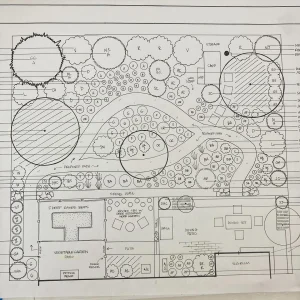
1. Start With a Functional Landscape Plan
What it is
A simple design that organizes your yard into zones like lawn, planting beds, pathways, and seating areas before any work begins.
Why it matters (local context)
Many Vancouver Island yards develop haphazardly over time, increasing maintenance. Planning helps avoid plants that outgrow spaces or require heavy pruning. It also ensures proper drainage — important because Victoria and the surrounding areas get heavy winter rainfall.
IslandEarth example
IslandEarth crews often redesign overgrown yards by grouping plants with similar water needs together. This reduces the need for irrigation adjustments and simplifies maintenance visits.
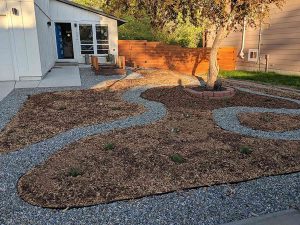
2. Reduce Lawn Size Strategically
What it is
Replacing unnecessary grass areas with mulch beds, groundcovers, or decorative gravel.
Why it matters
Lawns require the most maintenance: mowing, edging, watering, fertilizing, and weed care. During CRD summer watering restrictions, lawns can struggle without extra effort.
IslandEarth example
A homeowner in Langford converted a large unused side lawn into a mulch-and-ornamental-grass bed. Maintenance time dropped significantly, and water use decreased.
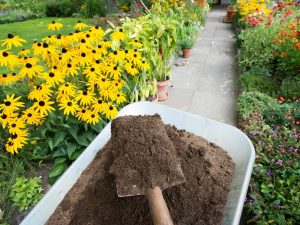
3. Improve Soil Before Planting
What it is
Adding compost, soil conditioners, and organic matter to improve structure and nutrients.
Why it matters
Much of Greater Victoria has compacted or clay-heavy soil. Poor soil means plants need more watering and fertilizer to survive. Healthy soil holds moisture longer and supports stronger root growth.
IslandEarth example
IslandEarth commonly incorporates compost blends into new beds. Clients notice plants establishing faster and requiring less irrigation within the first year.
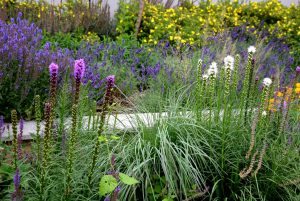
4. Choose Drought-Tolerant and Native Plants
What it is
Selecting plants adapted to the local climate that thrive with minimal watering once established.
Why it matters
Summer drought is common on southern Vancouver Island. Choosing the right plants dramatically reduces maintenance and irrigation costs.
Low-maintenance options include:
-
Lavender
-
Salal
-
Sedum
-
Ornamental grasses
-
Rosemary
-
Hebe
-
Native ferns (for shaded areas)
IslandEarth example
A Victoria property planted with drought-tolerant shrubs required watering only once or twice per week after establishment, compared to daily watering previously.
5. Install Mulch to Control Weeds and Moisture
What it is
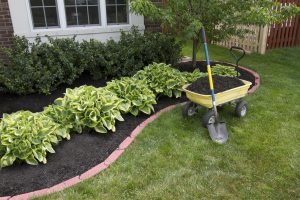
A protective layer of bark or wood chips is placed over the soil around plants.
Why it matters
Mulch prevents weeds, keeps soil cool, and reduces evaporation. This means less watering and less time spent pulling weeds.
IslandEarth example
IslandEarth installs 2–3 inches of mulch in most planting beds. Homeowners often report major reductions in weed growth within the first season.
6. Use Efficient Irrigation Systems
What it is
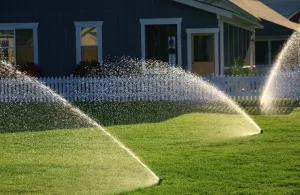
Drip irrigation or smart sprinkler systems that deliver water directly to plant roots.
Why it matters
CRD watering regulations limit when irrigation is allowed during the summer months. Efficient systems help maintain plant health while staying compliant with restrictions.
IslandEarth example
A drip irrigation system installed in Oak Bay reduced water use compared to traditional sprinklers while improving plant health during droughts.
7. Add Hardscape Features to Reduce Maintenance
What it is
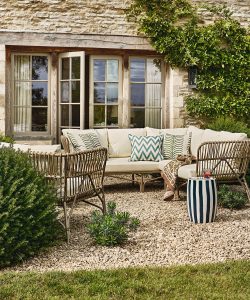
Non-plant areas such as patios, stone pathways, gravel seating zones, or decorative rock gardens.
Why it matters
Hardscape requires very little maintenance compared to lawns or planting beds. It also improves the usability of outdoor spaces.
IslandEarth example
A backyard in Saanich added a gravel seating area with stepping stones. The space became more functional while reducing mowing and watering needs.
Low-Maintenance Yard Planning Table
| Feature | Why It Helps | Maintenance Reduction |
|---|---|---|
| Reduce lawn | Less mowing and watering | High |
| Mulch beds | Prevent weeds and retain moisture | Medium |
| Drought plants | Require less irrigation | High |
| Soil improvement | Healthier roots and growth | Medium |
| Drip irrigation | Efficient watering | Medium |
| Hardscape areas | Minimal upkeep | High |
Mini FAQ
Is a low-maintenance yard more expensive to install?
Initial installation can cost more, but ongoing maintenance savings usually offset the investment over time.
Do drought-tolerant plants need watering?
Yes, during the first year while roots are establishing. After that, watering needs drop significantly.
Can I still have some lawn?
Absolutely. Many homeowners keep smaller lawn areas for kids or pets while reducing overall maintenance.
How often should mulch be replaced?
Typically, every 1–2 years, depending on material and weather conditions.
Quick Action Checklist
✔ Plan your yard zones before planting
✔ Reduce unnecessary lawn areas
✔ Improve soil with compost
✔ Choose drought-tolerant plants
✔ Install mulch in beds
✔ Use efficient irrigation
✔ Add patios or gravel areas
Image Ideas + Alt Text
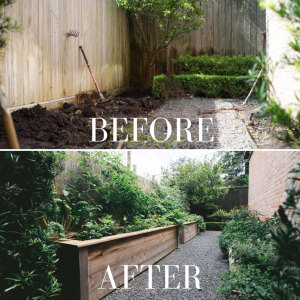
Image idea: Before and after low-maintenance yard design
Alt text: Low-maintenance landscaping transformation in Greater Victoria, BC, with mulch beds and drought-tolerant plants
Image idea: Drip irrigation system close-up
Alt text: Drip irrigation system installed in a Vancouver Island garden bed for water-efficient landscaping
Image idea: Mulched garden with ornamental grasses
Alt text: Mulched drought-tolerant landscaping in Victoria, BC, low-maintenance yard
IslandEarth CTA
IslandEarth designs and installs low-maintenance yards across Greater Victoria and Vancouver Island. Free site visits available.
Summary
Creating a low-maintenance yard on Vancouver Island is about working with the local climate and soil conditions instead of fighting them. By reducing lawn space, improving soil, choosing drought-tolerant plants, using mulch, and installing efficient irrigation, homeowners and property managers can enjoy attractive outdoor spaces that require less time, water, and ongoing effort to maintain.