
Short answer: Artificial intelligence (AI) landscape tools often recommend less pruning, fewer straight lines, and more natural plant growth because ecosystems function better when they aren’t over-controlled. What may look slightly “messy” compared to a manicured lawn is often healthier for soil, plants, pollinators, and water efficiency — especially in coastal climates like Vancouver Island.
For decades, landscaping standards focused on perfection: crisp edges, symmetrical plantings, and tightly clipped shrubs. But AI is changing that mindset. By analyzing plant biology, climate data, and ecological interactions, AI often favors landscapes that are more dynamic and natural. This shift can feel surprising at first, but it reflects a growing understanding that landscapes are living systems — not static designs to be frozen in time.
AI Favours Ecology Over Appearance
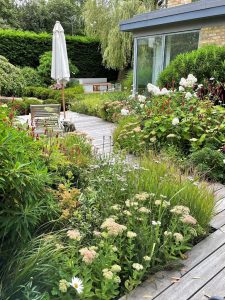
Traditional landscaping decisions are usually made by visual preference. Humans tend to associate neatness with care. AI, however, evaluates performance metrics such as plant health, soil moisture retention, biodiversity, and resilience to stress.
When AI analyzes a planting design, it may recommend:
-
More plant diversity
-
Irregular spacing instead of symmetry
-
Reduced pruning cycles
-
Dense groundcover instead of exposed mulch
-
Allowing seasonal plant structures to remain
These recommendations improve ecosystem function. In regions like Greater Victoria, where mild winters and wet seasons encourage rapid plant growth, over-maintaining landscapes can actually weaken plants over time.
Less Pruning Often Means Healthier Plants
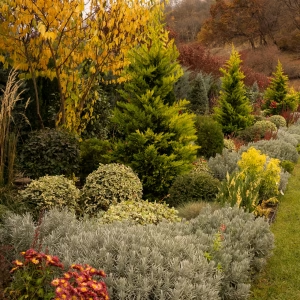
One of the biggest ways AI challenges traditional landscaping is pruning frequency. Many landscapes are pruned for appearance rather than necessity. AI tools often recommend pruning only when plants need structural correction or health improvement.
Excessive pruning can cause:
-
Stress and reduced vigor
-
Weak, fast growth that needs more maintenance
-
Increased disease entry points
-
Higher water demand during summer
By allowing plants to develop their natural form, root systems become stronger and foliage density improves. Over time, this reduces maintenance needs and improves plant longevity.

Controlled “Messiness” Supports Biodiversity
The idea of controlled messiness means allowing some natural processes to occur while still maintaining intentional design. Examples include:
-
Leaving seed heads on perennials
-
Allowing ornamental grasses to remain through winter
-
Keeping leaf litter in garden beds
-
Mixing plant heights and textures
-
Allowing seasonal dieback before cleanup
These features provide habitat for beneficial insects, birds, and pollinators. Biodiversity improves soil health and reduces pest problems naturally. Research from ecological landscaping programs and conservation organizations consistently shows that layered, diverse landscapes are more resilient than simplified ones.
On Vancouver Island, where pollinator populations depend heavily on urban gardens, even small changes in planting style can have measurable ecological benefits.
Natural Systems Use Less Water
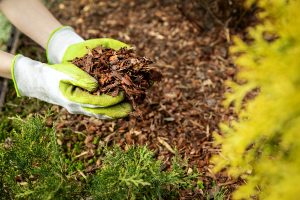
AI landscape planning frequently prioritizes plant density and soil coverage. Bare soil loses moisture quickly, while layered planting shades the ground and reduces evaporation.
This is particularly important in Greater Victoria because summer drought conditions are becoming more common. Water restrictions from regional authorities mean landscapes must survive with less irrigation.
A diverse, slightly “messier” planting approach often results in:
-
Better soil moisture retention
-
Reduced irrigation demand
-
Cooler soil temperatures
-
Improved drought resilience
Over time, these factors contribute to lower maintenance costs and healthier plants.
Landscapes Are Meant to Evolve
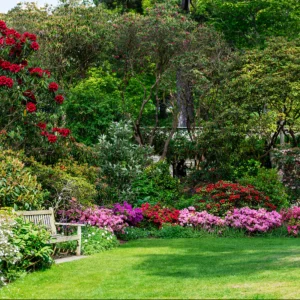
One of the most important insights AI brings to landscaping is recognizing that landscapes change. Plants grow, microclimates develop, and soil conditions shift. Traditional landscaping often tries to maintain the same appearance year after year, which requires constant intervention.
AI approaches landscapes as evolving systems. Instead of forcing plants to stay within strict boundaries, AI recommendations often allow landscapes to mature naturally and adapt over time.
This might include:
-
Allowing shrubs to reach natural size
-
Integrating new plants around mature ones
-
Adjusting layouts instead of replacing plants
-
Encouraging self-seeding species
This approach reduces replacement costs and improves long-term resilience.
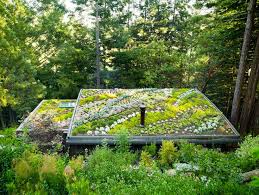
Messy Does Not Mean Neglected
A key misconception is that ecological landscapes look unprofessional. In reality, well-designed naturalistic landscapes can appear intentional, modern, and high-end. The difference is that they rely on layers, textures, and seasonal movement rather than geometric precision.
Many contemporary landscape designers now prioritize ecological aesthetics. Properties can still look polished while supporting environmental health.
The goal is not chaos — it is balance.
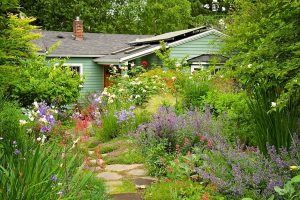
AI Can Reduce Maintenance Costs
For homeowners, strata councils, and commercial properties, maintenance budgets are a major factor. Landscapes designed with ecological principles often require fewer interventions over time.
Potential cost benefits include:
-
Reduced pruning labor
-
Lower irrigation costs
-
Fewer plant replacements
-
Improved soil health
-
Lower fertilizer needs
While initial design changes may require planning, the long-term savings can be significant.
Healthy Landscape vs Over-Maintained Landscape
| Feature | Over-Maintained | AI-Informed Natural |
|---|---|---|
| Pruning frequency | High | Moderate |
| Plant diversity | Low | High |
| Water demand | Higher | Lower |
| Soil health | Often compacted | Improved |
| Wildlife habitat | Limited | Strong |
| Long-term cost | Higher | Lower |
IslandEarth CTA
IslandEarth helps homeowners and strata create landscapes that look beautiful while supporting long-term plant health across Greater Victoria. Site consultations available.
Summary
AI is changing how we think about landscaping by prioritizing ecosystem health over perfect appearance. In Vancouver Island’s climate, allowing landscapes to grow more naturally can improve soil quality, reduce water use, support biodiversity, and lower maintenance costs. What might look slightly messier at first is often the sign of a healthier, more resilient landscape — and a smarter investment for the future