
The 2026 Shift Every Homeowner Needs to Know
By IslandEarth Landscape | March 2026 | 5 min read
Something shifted in 2026. For the first time, climate — not trends, not aesthetics, not resale value — became the number one driver of new gardening and landscaping decisions. Homeowners aren’t just asking “what looks nice?” anymore. They’re asking a harder question:
“Is my yard built for the climate we have now — or the one we had 20 years ago?”
If you live in Atlantic Canada or anywhere that’s been seeing wetter springs, drier summers, and more unpredictable weather patterns, this question hits close to home. At IslandEarth Landscape, we’ve been watching this shift unfold with our clients — and the good news is, your yard can absolutely work with your climate. Here’s what that looks like in practice.
Why Climate Is Now the #1 Landscaping Driver
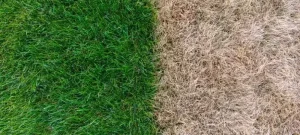
Weather patterns are changing faster than most landscaping plans account for. Homeowners are losing mature plantings to drought stress in summer. Others are dealing with waterlogged lawns after heavy spring rains that never used to happen. The old playbook — seed in spring, fertilize in fall, repeat — isn’t cutting it.
The result? People are rethinking their yards from the ground up. Not just swapping one plant for another, but reconsidering what a yard is actually for and how it should function in a changing environment.
5 Climate-Smart Landscaping Moves That Are Trending in 2026
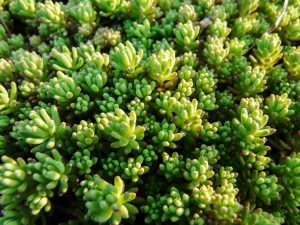
1. Swap Sections of Lawn for Drought-Tolerant Groundcovers
Traditional turf is thirsty. It needs regular watering, frequent mowing, and fertilizer inputs just to stay green during dry spells. More and more homeowners are replacing the high-maintenance parts of their lawn with drought-tolerant groundcovers like creeping thyme, sedum, or native clover. These alternatives stay green with little to no irrigation, crowd out weeds naturally, and look beautiful. Bonus: creeping thyme actually blooms purple in early summer.
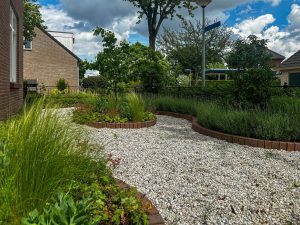
2. Gravel Gardening: Low Maintenance, High Impact
Gravel gardens have exploded in popularity because they solve multiple problems at once. They eliminate the need for mowing or watering, improve drainage in wet spots, and create a clean, modern aesthetic that photographs beautifully. The key is planting within the gravel — ornamental grasses, lavender, salvia, and hardy perennials that thrive in well-drained soil. Done right, a gravel garden looks intentional and designed, not bare.
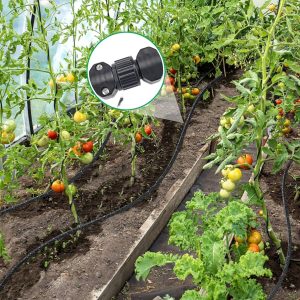
3. Drip Irrigation: Water Smarter, Not More
Overhead sprinkler systems lose a significant portion of their water to evaporation. Drip irrigation delivers water directly to the root zone, reducing usage by up to 50% while actually improving plant health. For garden beds, vegetable gardens, and foundation plantings, it’s one of the highest-value upgrades a homeowner can make. IslandEarth installs drip systems that can be put on timers so your plants are cared for even when you’re not home.
4. Denser Planting = Fewer Weeds, Less Water Loss
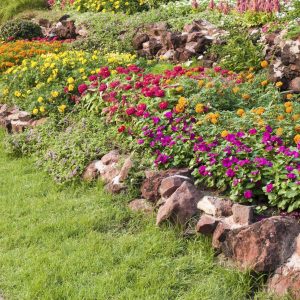
One of the most counterintuitive trends of 2026: planting more densely is actually better for your yard’s health. When plants are close together, they shade the soil, which means less evaporation, less bare ground for weeds to colonize, and a more stable microclimate at root level. It also looks lush and intentional rather than sparse. We’re seeing a major shift away from the minimalist “one plant per square foot” approach toward layered, full plantings.

5. Native Plants: Your Local Climate’s Best-Kept Secret
Native plants evolved with your local climate. They know when to go dormant, how deep to send roots, and how to handle the kind of rain events or dry spells that are normal for your region. They also support local pollinators, which are under increasing pressure. Some of our favourite native options for this region include wild bergamot, New England aster, and native ferns that thrive in both sun and partial shade.
What Does a Climate-Smart Yard Actually Look Like?
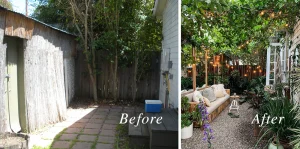
Here’s a before-and-after scenario we see often: A homeowner comes to us with a struggling lawn that browns out every August, a few foundation shrubs that need constant trimming, and a garden bed that floods in spring. They’re spending money on fertilizer and watering restrictions are looming.
After a climate-smart redesign, the same property has a front yard that stays green through dry spells without irrigation, a gravel border that handles drainage issues naturally, and a back garden with drip-fed perennial beds that are denser, healthier, and honestly more beautiful than what was there before. The homeowner spends less time and money maintaining it — and it looks better year-round.
That’s the goal: a yard that works harder than you do.
Ready to Make Your Yard Climate-Smart?
IslandEarth Landscape specializes in sustainable, climate-adapted yard design for homeowners across the region. Whether you’re looking for a full redesign or just want to swap out a problem area, we’d love to take a look.